Best Ray Tracing GPUs Under R$7,000 in 2026



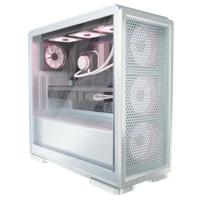

MSI G5070-12S2C

Great Alternatives
These options also score highly and may better suit your specific needs
ASRock 90-GA61ZZ-00UANZ

ASUS Radeon RX 9060 XT Dual 16GB GDDR6
Why we recommend this ▼
The 16GB framebuffer on a 128-bit bus and PCIe 5.0 x16 interface provide ample memory capacity for high-texture 1080p gaming, avoiding the stutter common on 8GB cards. Its 140W TDP and triple-fan cooler deliver efficient, quiet operation without needing a massive power supply. This card is best for budget-conscious 1080p gamers who prioritize high texture settings and a smooth out-of-the-box experience over raw 1440p performance.

Gigabyte GeForce RTX 5060 Ti WindForce 8GB GDDR7
Why we recommend this ▼
The Blackwell architecture and 8GB of GDDR7 memory on a 128-bit bus deliver solid 1080p gaming at a 2572MHz boost clock, backed by 19.18 FP32 TFLOPS of compute. Its compact 208mm dual-fan design fits easily into smaller builds while still supporting modern features like PCIe 5.0, DLSS, and AV1 encoding. This card is best for 1080p gamers seeking efficient ray tracing performance in a space-conscious, budget-oriented system.

Gigabyte GeForce RTX 5060 AERO 8GB GDDR7
Why we recommend this ▼
The Blackwell-based RTX 5060 with 8GB of GDDR7 memory and a 2595 MHz boost clock delivers solid 1080p gaming, aided by DLSS 4 and a quiet triple-fan WINDFORCE cooler in a clean white 2-slot design. Its PCIe 5.0 interface and AV1 encoder add modern connectivity and streaming capability at a budget-friendly price point. This card is best for 1080p gamers upgrading from older GTX or RTX 20-series hardware who prioritize efficient, cool operation over 4K performance.

PowerColor RX9060XT Z16G-A

Mind Graphics 16GB

PNY VCNRTX2000ADA-PB
